The Hidden Cost of Stressful Online Shopping (And Why Buyers Are Choosing Convenience)
June 5 2026
6 minutes READ

Ejoh Esther
1
223
You find the perfect item online. A phone. A pair of sneakers. A laptop for work. Your heart races a little. You imagine owning it. Then the stress begins.
You message the seller. You wait. They reply hours later. You ask for the price. They send it. You ask for more photos. They send blurry ones. You negotiate. You ask how to pay. They send a personal bank account number. You send money. Then you wait again. And pray.
Will the item arrive? Will it be what you paid for? Will the seller block you the moment the money enters their account?
This is the reality of buying online in Nigeria. What should be exciting becomes exhausting. What should be simple becomes stressful. And there is a hidden cost to this stress that most shoppers never consider.
Nigeria's e-commerce market is valued at an estimated $9.54 billion in 2025 and is expected to hit $16.68 billion by 2030. But despite this growth, many Nigerian shoppers are quietly walking away from online purchases. Not because they do not want to buy. Because the process is too stressful.
This article explores the hidden cost of stressful online shopping and why buyers are increasingly choosing convenience over chaos.
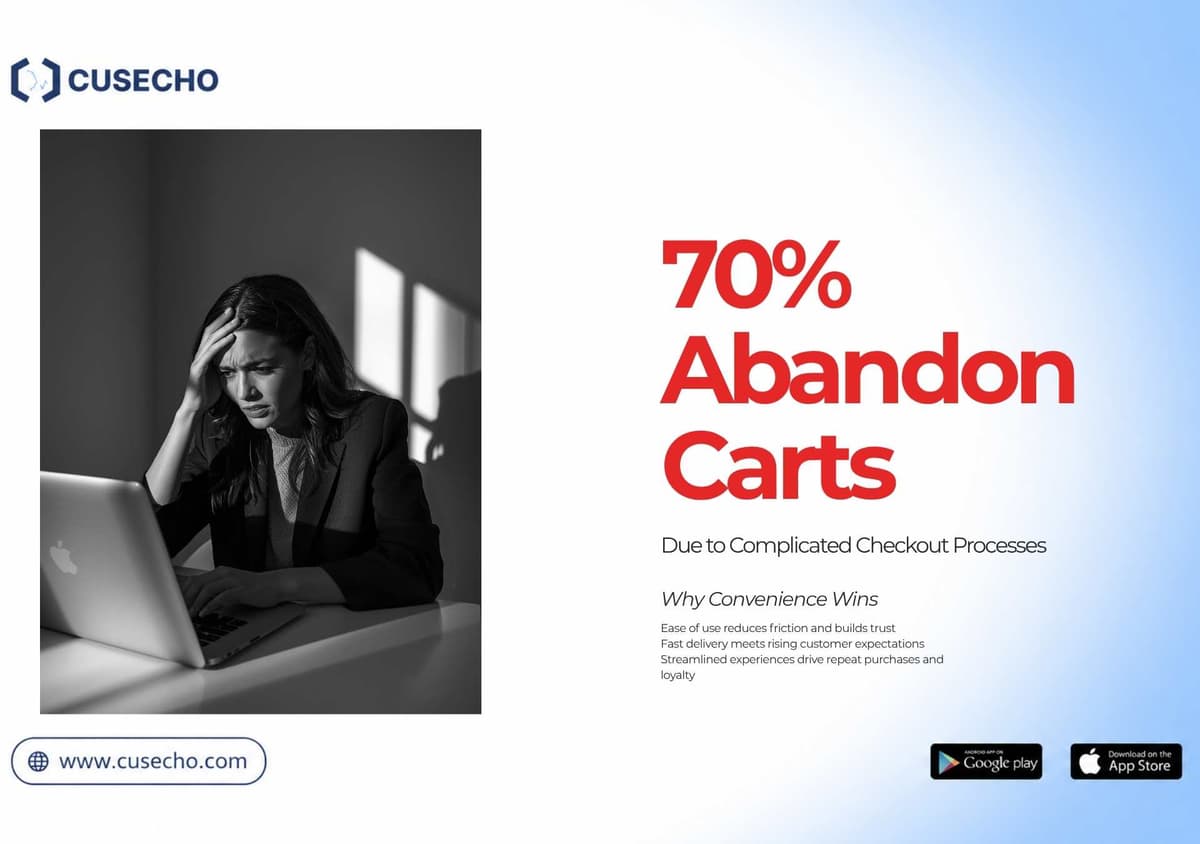
The Hidden Costs No One Talks About
When shopping online is stressful, the costs go far beyond money. Here are the hidden costs that affect every Nigerian online shopper.
The Time Cost: How many hours have you spent messaging sellers, waiting for replies, chasing delivery updates, and dealing with disputes? Time is money. Every hour spent fighting for a refund or tracking down a seller is an hour you could have spent working, resting, or being with family.
The Emotional Cost: The anxiety of wondering if your item will arrive. The frustration of being ignored. The anger of receiving a fake product. The helplessness when a seller blocks you. These emotions take a toll. They make you dread shopping instead of enjoying it.
The Trust Cost: Every bad experience makes you trust less. You become suspicious of every seller. You hesitate before every purchase. You spend extra time verifying, questioning, and protecting yourself. This trust deficit slows down every future transaction.
The Opportunity Cost: When shopping is stressful, you buy less. You stick to what you know. You miss out on better deals, better products, and better prices because you do not want to deal with the hassle.
These costs are real. And they are driving Nigerian buyers to demand something better.
Why Nigerian Online Shopping Is So Stressful
To understand why buyers are choosing convenience, we must first understand what makes online shopping stressful in Nigeria.
Lack of Trust: According to industry stakeholders at a Lagos Business School forum, a lack of trust is a major reason many Nigerians will not pay for a product before receiving it. Buyers do not trust that sellers will deliver what they promised. Sellers do not trust that buyers will pay after delivery. This mutual suspicion makes every transaction tense.
Pay-on-Delivery Problems: Pay-on-delivery (POD) has become a double-edged sword. While it protects buyers, stakeholders warn that it is actually hurting e-commerce growth. The Chief Operating Officer of Konga Group explained that a customer might order a product, but when delivery day comes, they say, "I was expecting my salary yesterday, and it hasn't come". The result is wasted logistics costs and frustrated sellers.
High Delivery Costs: Waybill fees are sending online customers back to physical markets. A baker who ordered milk worth ₦65,000 was told to pay ₦10,000 for the waybill. She abandoned the purchase and went to the physical market instead. A thrift vendor reported paying ₦15,000 to deliver goods worth ₦50,000 from Abuja to Edo State; a cost that made her lose four customers.
Unreliable Sellers: On social media platforms like Instagram and Facebook, anyone can claim to be a seller. There is no verification. No accountability. No protection. Scammers thrive in this environment, and honest sellers suffer from the suspicion scammers create.
Poor Product Representation: Many buyers have experienced the disappointment of receiving an item that looks nothing like the photos. One analysis of TEMU's entry into Nigeria noted that "misleading product photos vs. reality" is a major source of frustration for Nigerian shoppers. When what arrives looks different from what was advertised, trust is broken.
What Buyers Actually Want
After years of frustrating experiences, Nigerian online buyers have become very clear about what they want. Here is what they are demanding.
Verified Sellers: Buyers want to know who they are buying from. They want to see ratings, reviews, and transaction history. They want proof that the seller has successfully delivered to other buyers. They do not want to gamble with strangers.
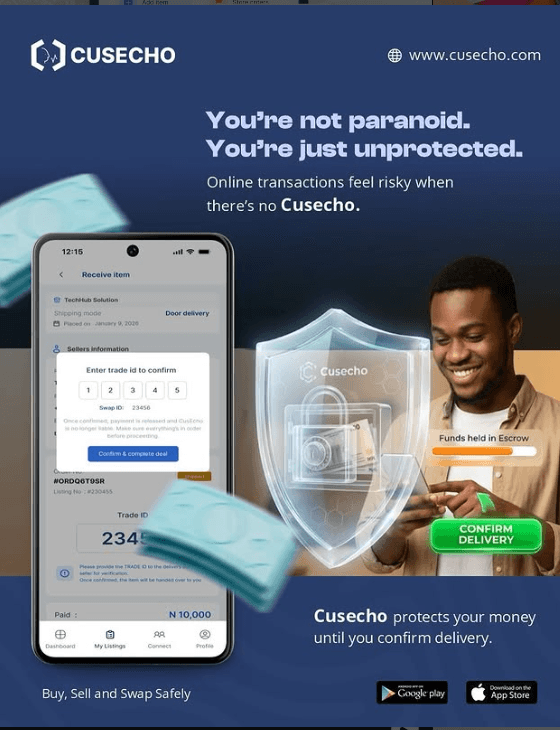
Secure Payments: Buyers want to pay in a way that protects them. They want to know that if the item never arrives or is not as described, they can get their money back. They want escrow protection – a neutral system that holds funds until both parties are satisfied.
Fast, Clear Communication: Nothing frustrates a buyer more than silence. They want sellers who reply within minutes, not hours. They want clear answers to simple questions. They want to feel like the seller actually wants their business.
Transparent Pricing: Buyers want to know the total cost upfront. No hidden delivery fees. No surprise charges. No "packaging fees" added at the last minute.
Convenience: This is the biggest factor driving the shift to modern e-commerce. Consumers' preference for convenience has given a boost to the Nigerian e-commerce market. Buyers want to shop from their phones, pay securely, receive tracking updates, and get their items without endless back-and-forth messaging.
Easy Returns and Refunds: When something goes wrong, buyers want a clear path to resolution. They do not want to be told to mail items back to China at their own expense. They want local returns and fast refunds.
The Rise of Cross-Border Shopping
One surprising trend in Nigerian e-commerce is the growing popularity of cross-border shopping platforms. More Nigerians are now buying products from overseas, from beauty products and gadgets to sneakers and kitchen appliances.
Why? Because these platforms offer what local options often do not: access, trust, and convenience.
Certain international brands are either unavailable locally or sold at significantly higher prices through resellers. Shoppers are increasingly willing to order directly from overseas platforms to get original products, wider choices, and newer releases.
Platforms like Ubuy provide access to over 300 million products aggregated from global retailers, handling logistics and cross-border fulfilment. Once shoppers successfully receive an order without complications, many become more confident about ordering again.
This trend sends a clear message to local platforms: Nigerian buyers value trust, convenience, and reliability and they are willing to look abroad to find it.
Why Buyers Are Choosing Cusecho
In response to these demands, smart Nigerian buyers are switching to platforms that prioritize their experience. Cusecho is leading this shift.
Here is what Cusecho offers that stressful platforms do not.
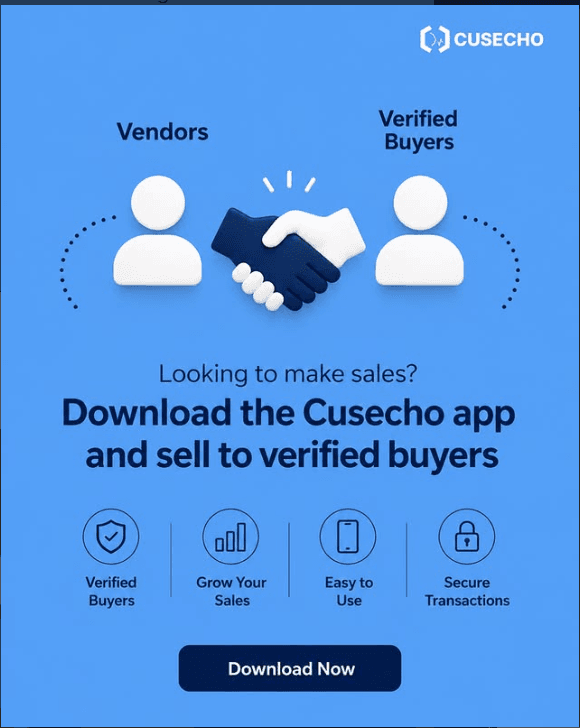
Verified Sellers: Every seller on Cusecho is verified. Buyers can see ratings, reviews, and transaction history. No anonymous scammers. No guessing if someone is real.
Escrow Protection: Cusecho uses escrow protection to ensure secure payments. Buyers pay into escrow. The money is held safely—the seller ships. The buyer receives and inspects. Only when the buyer confirms does the seller get paid. If anything is wrong, the buyer's money will be refunded.
Swap Option: Not every transaction needs cash. Cusecho's swap feature allows users to exchange items safely. Instead of cash, trade your products for items you need – quick, convenient, and cost-effective. This is perfect for buyers who have something to trade but do not want to spend money.
Convenience at Your Fingertips: With the Cusecho app, you can browse, buy, or swap items directly from your phone anytime, anywhere. No long trips to crowded markets. No endless WhatsApp chats.
Promotions and Discounts: Cusecho users enjoy promo codes and special deals, making online shopping more affordable and rewarding.
Dispute Resolution: When something goes wrong, Cusecho has a dedicated team that investigates and makes fair decisions. Buyers are not left alone to fight with sellers.
Smart Matching: Cusecho connects buyers to sellers looking for the specific items they want. No scrolling through irrelevant listings.
The Cost of Not Switching
Every day you continue to shop on stressful platforms, you pay hidden costs.
You pay with your time; hours spent messaging, waiting, and chasing.
You pay with your emotions; anxiety, frustration, and disappointment.
You pay with your trust; becoming more suspicious and hesitant with every bad experience.
You pay with missed opportunities; better deals and better products you avoid because the process is too stressful.
These costs add up. And they are why smart Nigerian buyers are choosing convenience over chaos.
The Nigerian e-commerce market is growing. Internet penetration has reached approximately 50%, translating to over 100 million users. Mobile payment adoption is surging, with over 60 million active mobile wallets. The infrastructure for seamless online shopping is here.
But infrastructure alone is not enough. What matters is how platforms use that infrastructure to serve buyers.
Cusecho was built for this moment. Verified sellers. Escrow protection. Swap options. Fast checkout. Dispute resolution. Everything buyers actually want. Nothing they do not need.
Final Thought
Online shopping in Nigeria should not feel like a gamble. You should not have to pray that a seller will not block you after payment. You should not have to chase your bank for a reversal that will never come. You should not have to spend hours messaging and waiting and hoping.
You deserve to shop with confidence. You deserve convenience, not chaos. You deserve a platform that puts you first.
The hidden cost of stressful online shopping is too high. Your time, your emotions, your trust, and your opportunities are worth more.
Stop gambling with your hard-earned money. Stop settling for platforms that make shopping stressful. Choose convenience. Choose security. Choose Cusecho.
Visit www.cusecho.com today. Shop with confidence. Get what you want without the stress.
See more related